When we think about home safety, we often think about smoke detectors, security systems, and sturdy locks. But there's one life-saving skill that deserves a place at the top of every homeowner's safety checklist — CPR training.
At Graham Real Estate, we believe that helping our customers and clients build safe, thriving lives goes beyond finding the perfect home. It extends into the communities where those homes stand. That's why we're shining a light on CPR training and why it matters for families, neighborhoods, and communities everywhere.
What Is CPR and Why Does It Matter?
Cardiopulmonary resuscitation, or CPR, is an emergency technique used when someone's heart stops beating or they stop breathing. According to the American Heart Association, nearly 350,000 cardiac arrests occur outside of hospitals each year in the United States. The reality is that these emergencies don't just happen in public places — they happen in living rooms, backyards, and kitchens.
When performed immediately, CPR can double or even triple a person's chance of survival. Those first few minutes before emergency responders arrive are critical, and a trained bystander can make the difference between life and death.
Why CPR Training Matters for Homeowners
Your home is where your family gathers, where neighbors stop by, and where life happens every day. Consider these scenarios:
- A family member experiences a sudden cardiac event during dinner. Would you know what to do in the moments before paramedics arrive?
- A neighbor collapses while helping you with yard work. Could you step in with confidence?
- A child has a choking emergency at a backyard barbecue. Are you prepared to act?
CPR training equips you with the knowledge and confidence to respond when it counts most — right where you live.
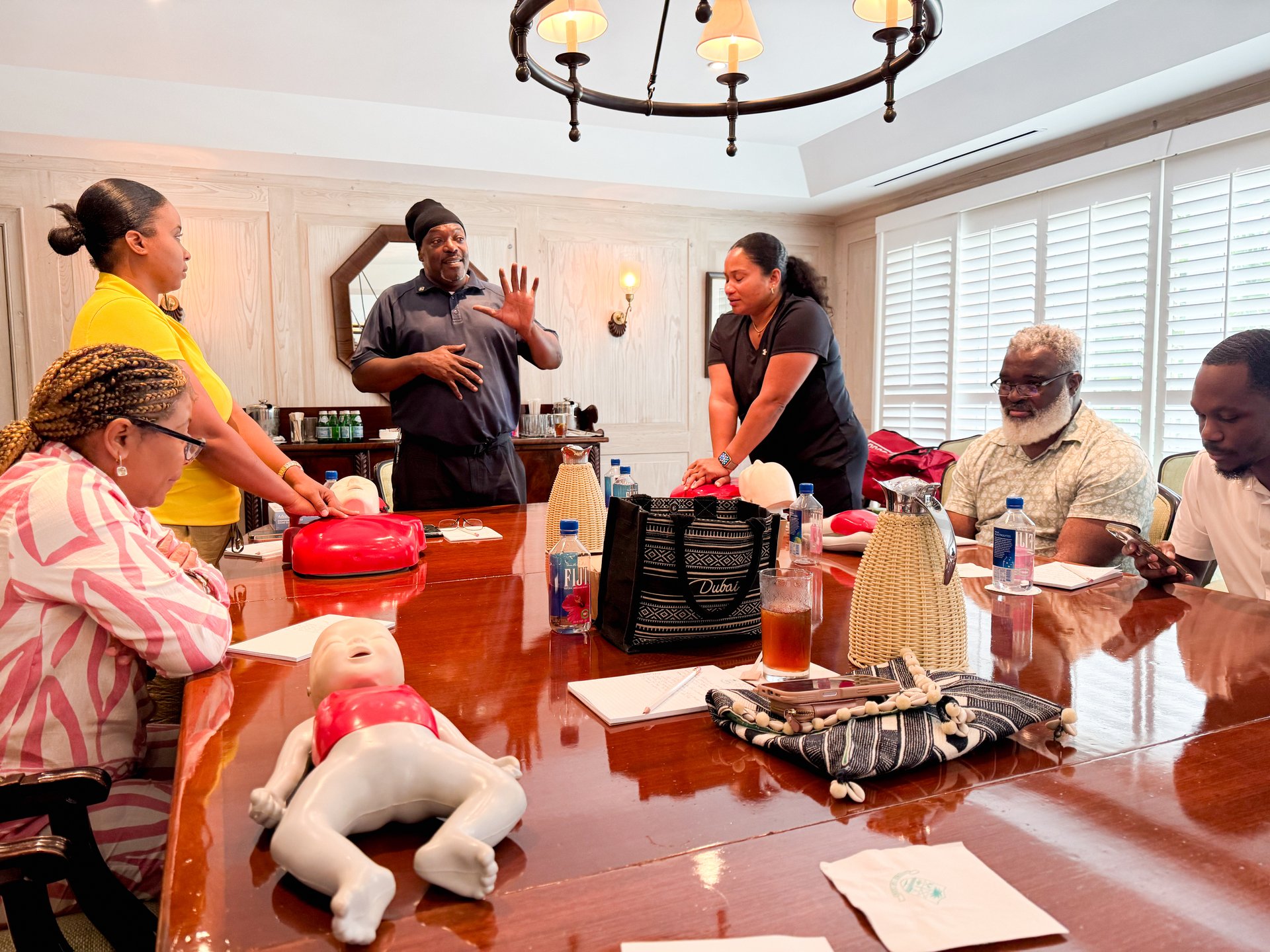
Building Safer Neighborhoods, One Household at a Time
Strong communities are built on more than great homes. They're built on neighbors who look out for one another. When more residents in a neighborhood are CPR-certified, the entire community becomes safer. Response times improve, outcomes get better, and people feel more connected knowing their neighbors are prepared to help in an emergency.
Imagine a street where every other household has someone trained in CPR. That's not just a neighborhood — that's a safety net.
Where to Get CPR Training
Getting certified is easier and more accessible than ever. Here are a few options to consider:
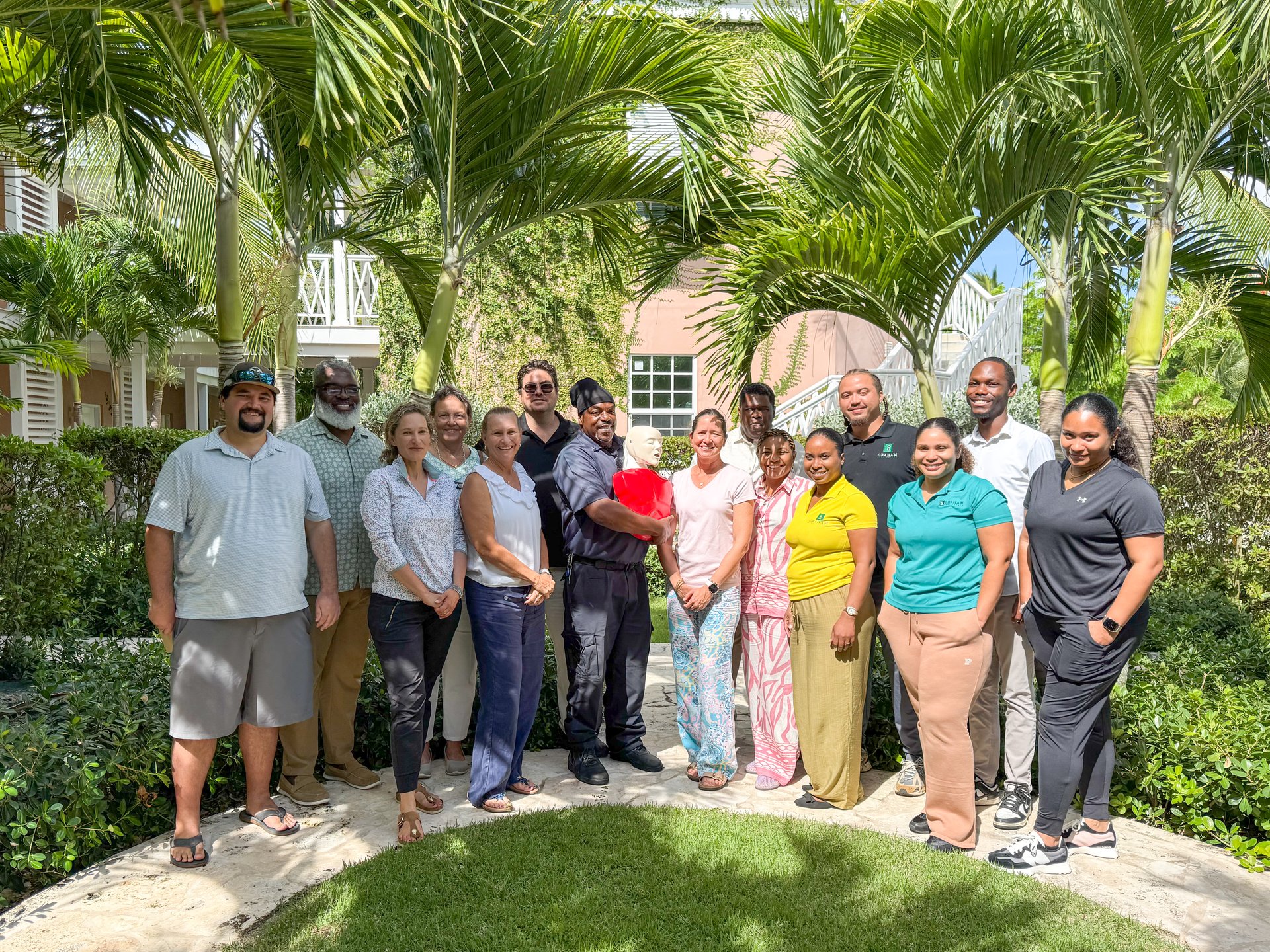
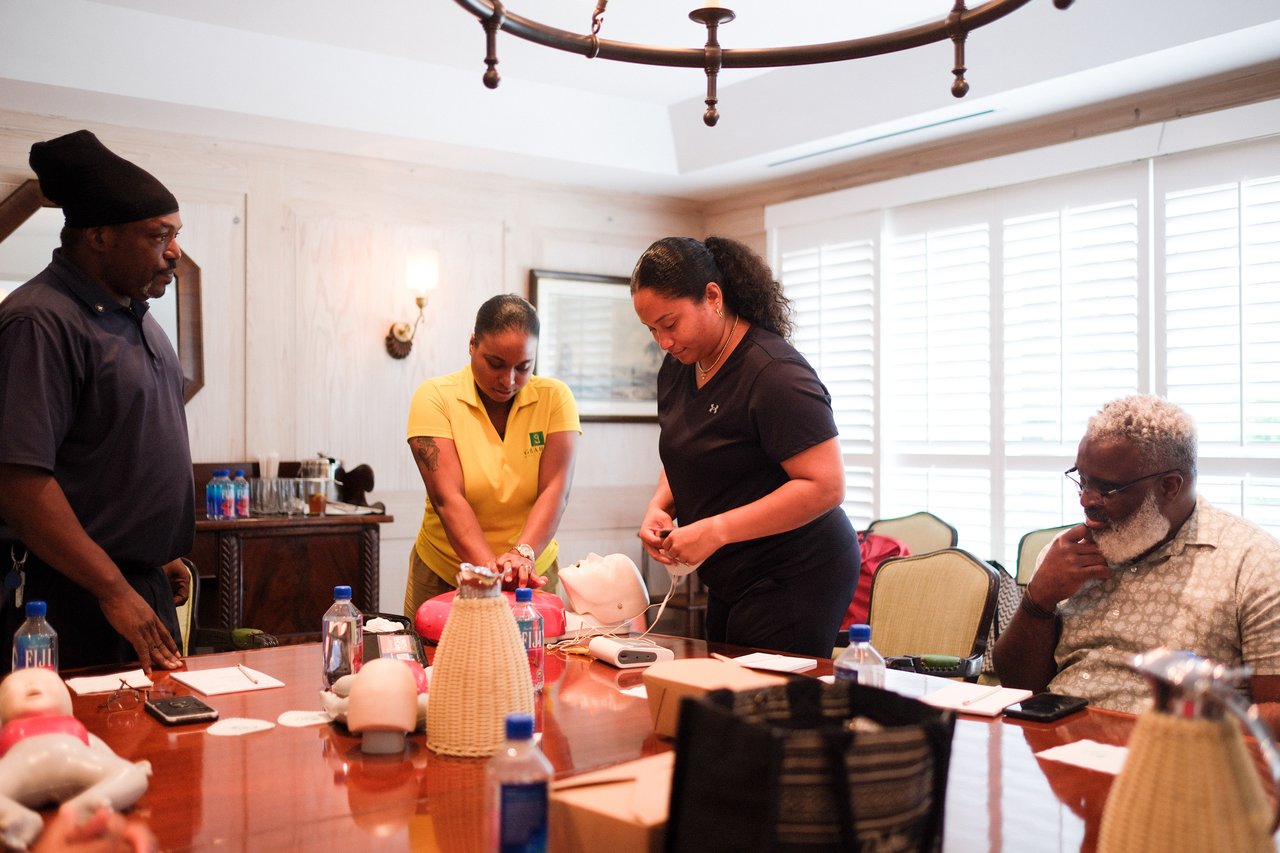
- Steven Brown: Offers in-person CPR courses and private training for companies. Steven hosted Graham Real Estate's CPR training and we highly recommend him. (242) 455-0406 email: [email protected]
- The Bahamas Red Cross: Provides CPR, AED, and First Aid training with flexible scheduling options. CPR Trainings available every third Satuday of the month Phone: (242) 323-7370 The Bahamas Red Cross
- Online certification programs: Several accredited organizations offer online-only courses for those with busy schedules.
If you know of any other local CPR trainers, please share them in the comments section below.
Most CPR courses take just a few hours or, in our case, a workday, to complete, and certifications are typically valid for two years.
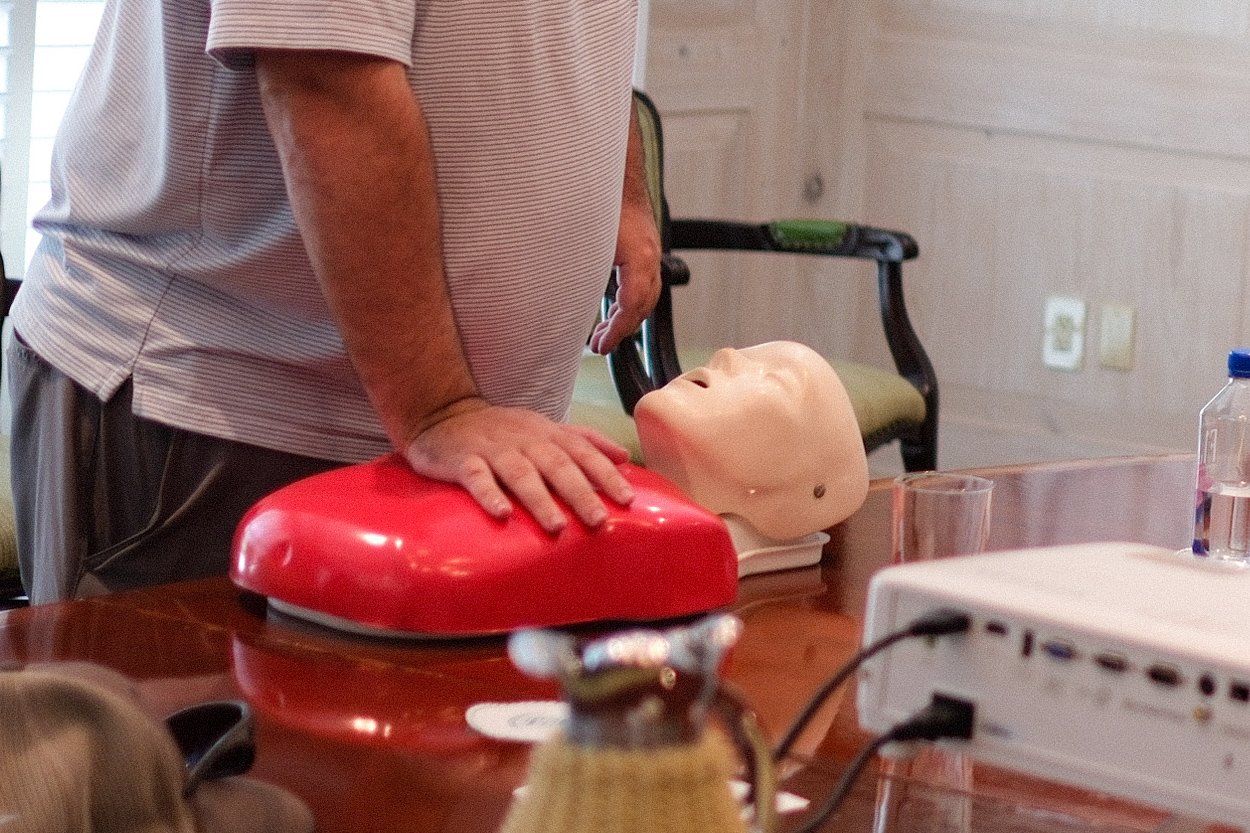
Simple Steps You Can Take Today
You don't need to be a medical professional to save a life. Here's how to get started:
- Sign up for a CPR class. Check with Steven or The Bahamas Red Cross for upcoming sessions.
- Talk to your family. Make sure everyone in your household knows the basics of emergency response, including when and how to call 911.
- Encourage your neighbours and community. Share information about local CPR classes with your community. Safety is always better as a team effort.
In an Emergency, do I call 911 or 919?
Knowing what to do in an emergency goes hand in hand with knowing who to call. Here in The Bahamas, you can dial either 919 or 911 — both numbers are interchangeable and connect you to the same emergency dispatch for police, fire, and ambulance. So whether you grew up dialing 911 or you're used to 919, either one will get you help. It's free to call, available 24 hours a day, and works from any phone, cell or landline. If you've moved here from abroad, or have family and visitors who are used to dialing 911, it's reassuring to know that instinct will still work — but it's worth reinforcing 919 too, since that's the number most commonly used locally. Post it somewhere visible in your home, save it in every phone in the household, and make sure kids know it as well. In the moments after you've started CPR, having someone calmly dial for help and stay on the line with the dispatcher can be just as important as the compressions themselves.
Our Commitment to Community
At Graham Real Estate, we're proud to be more than a real estate company. We're invested in the well-being of the communities we serve. Whether you're buying your first home, settling into a new neighborhood, or looking for ways to make your current community stronger, we're here to support you every step of the way.
A safe home starts with a prepared homeowner. Consider making CPR training your next step toward protecting the people and places you love most.